Re-Imagining Low income Housing using Biophilic Design.
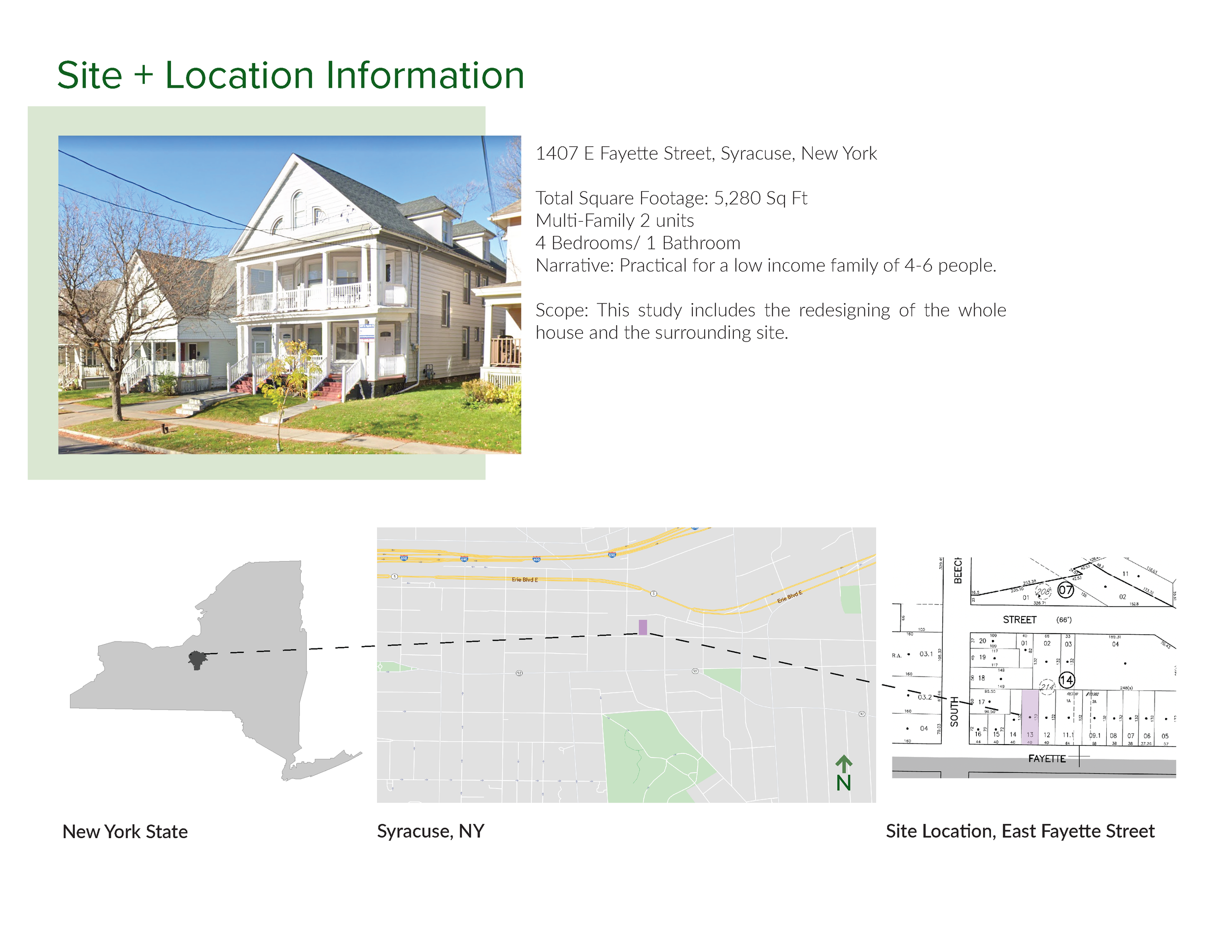
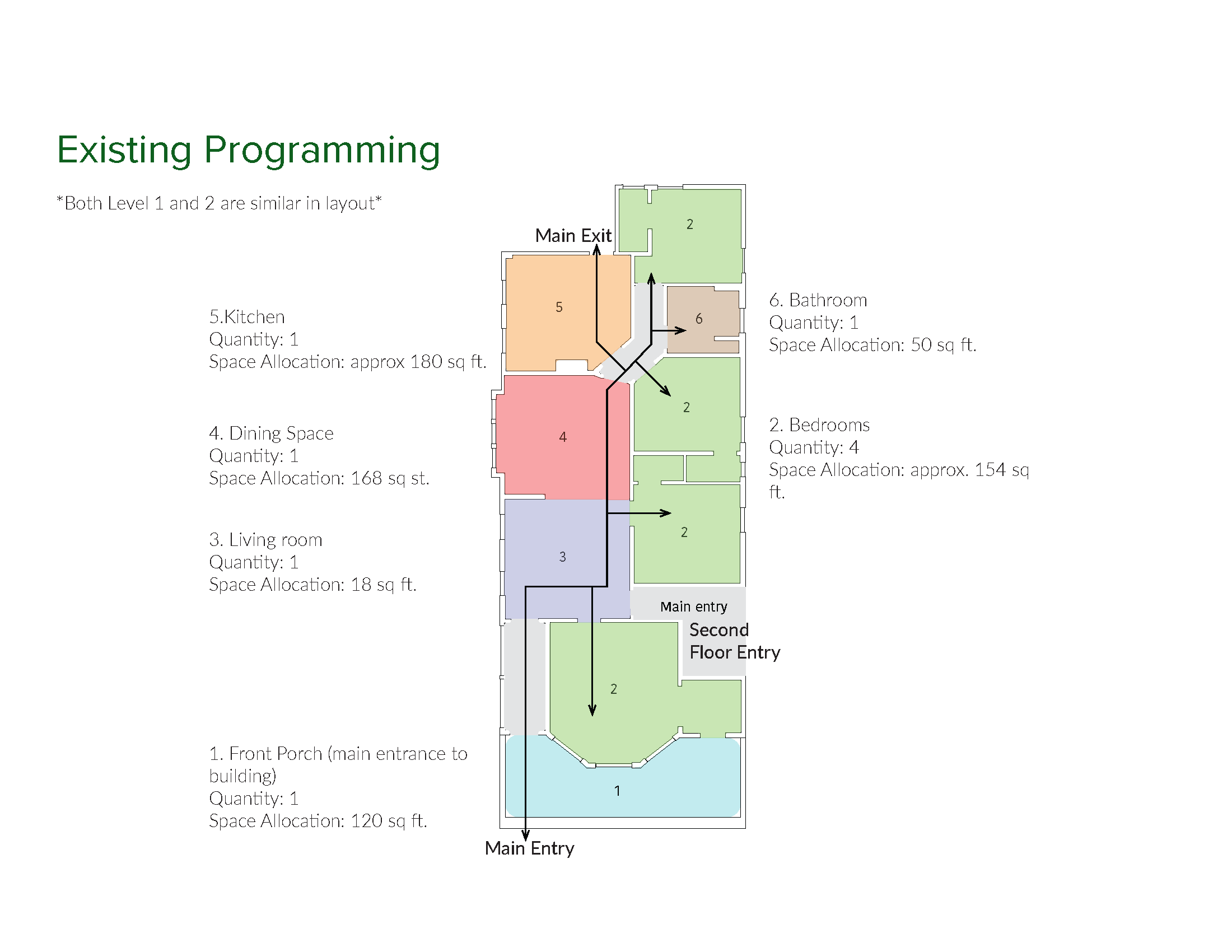
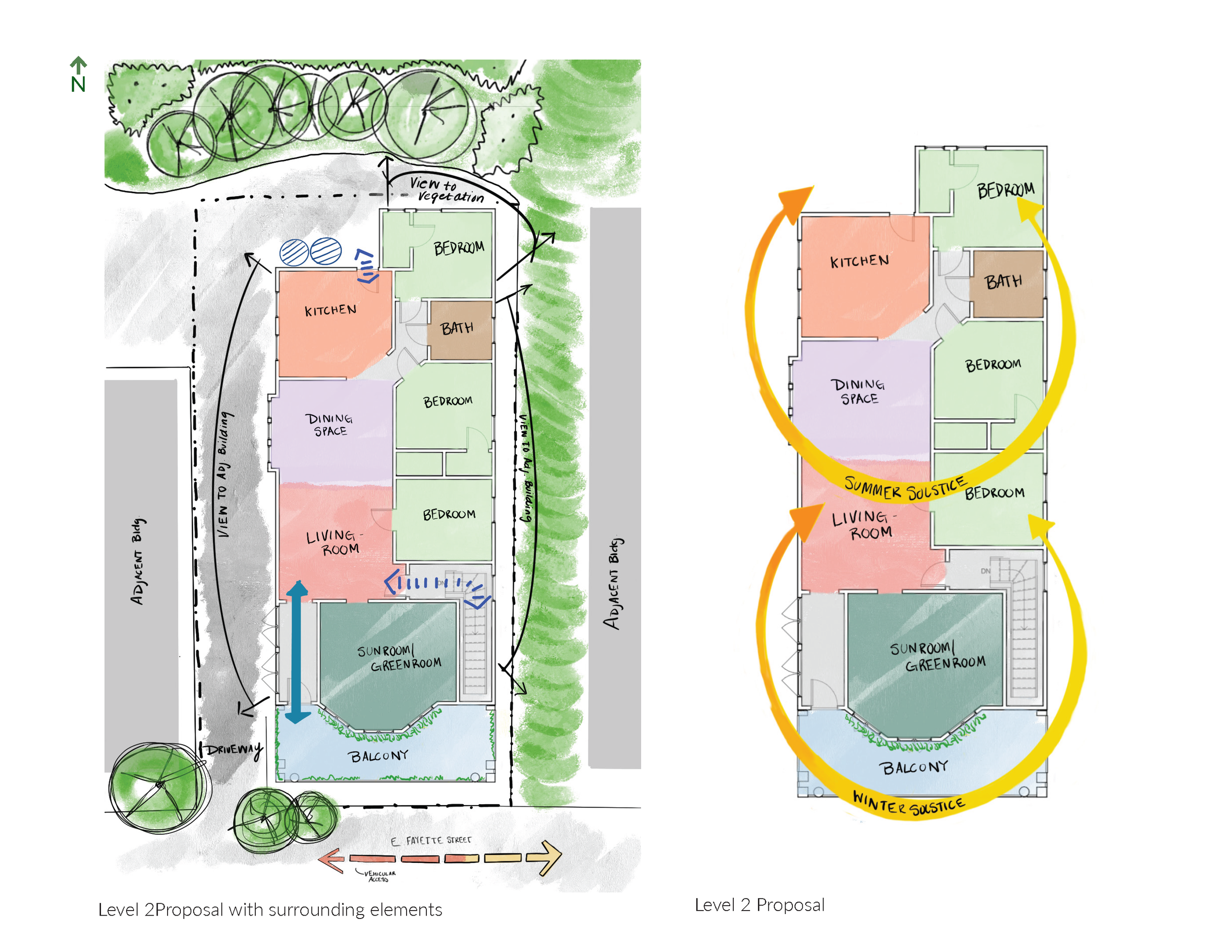
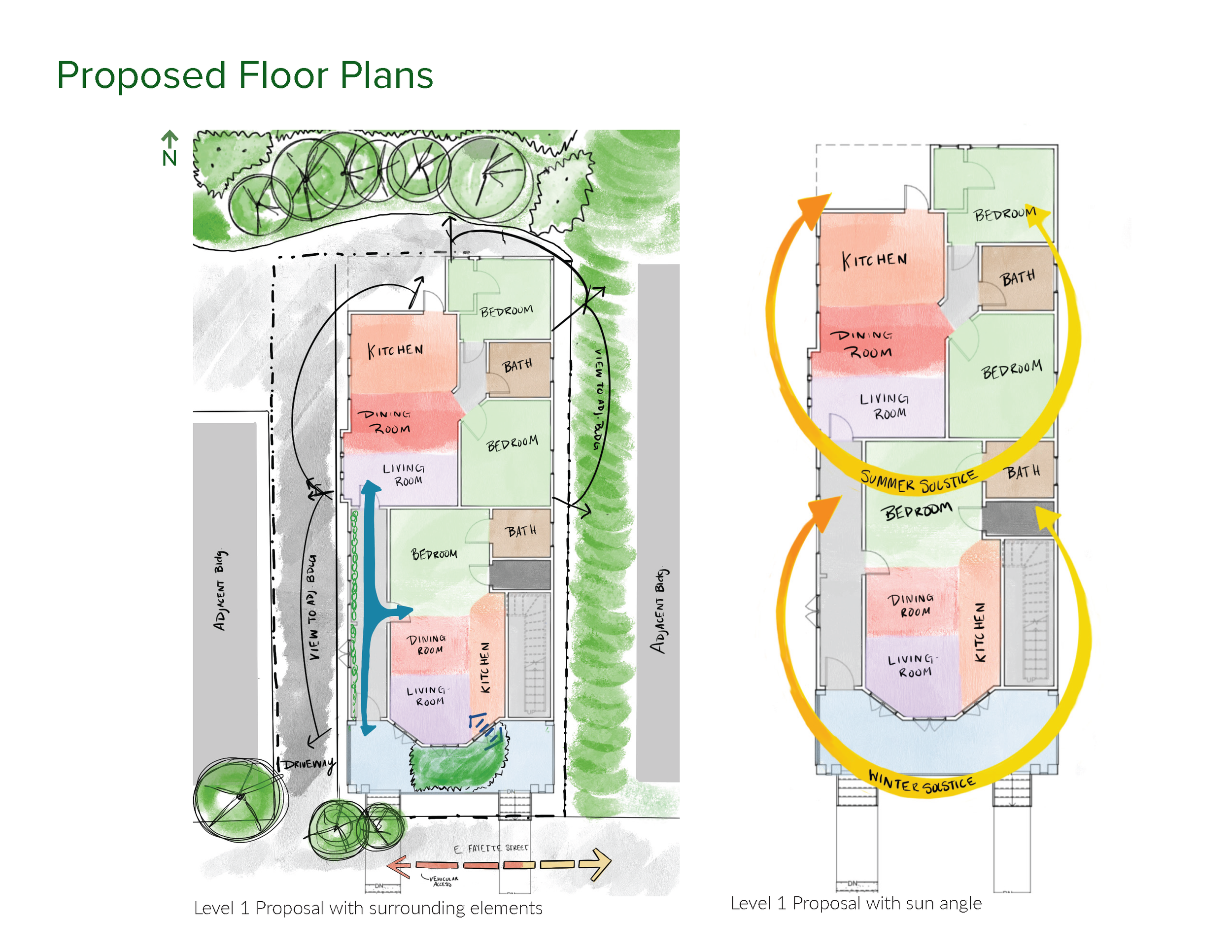
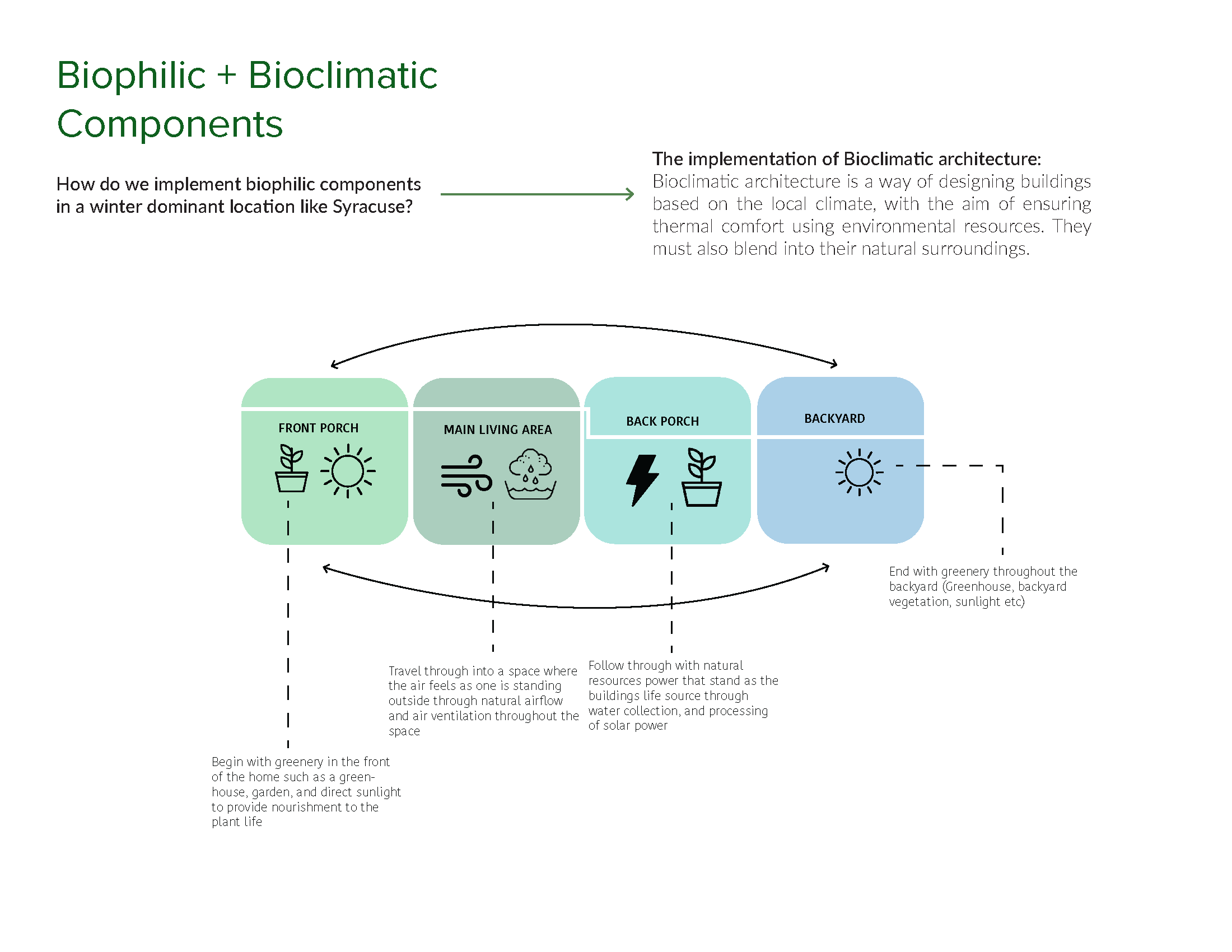
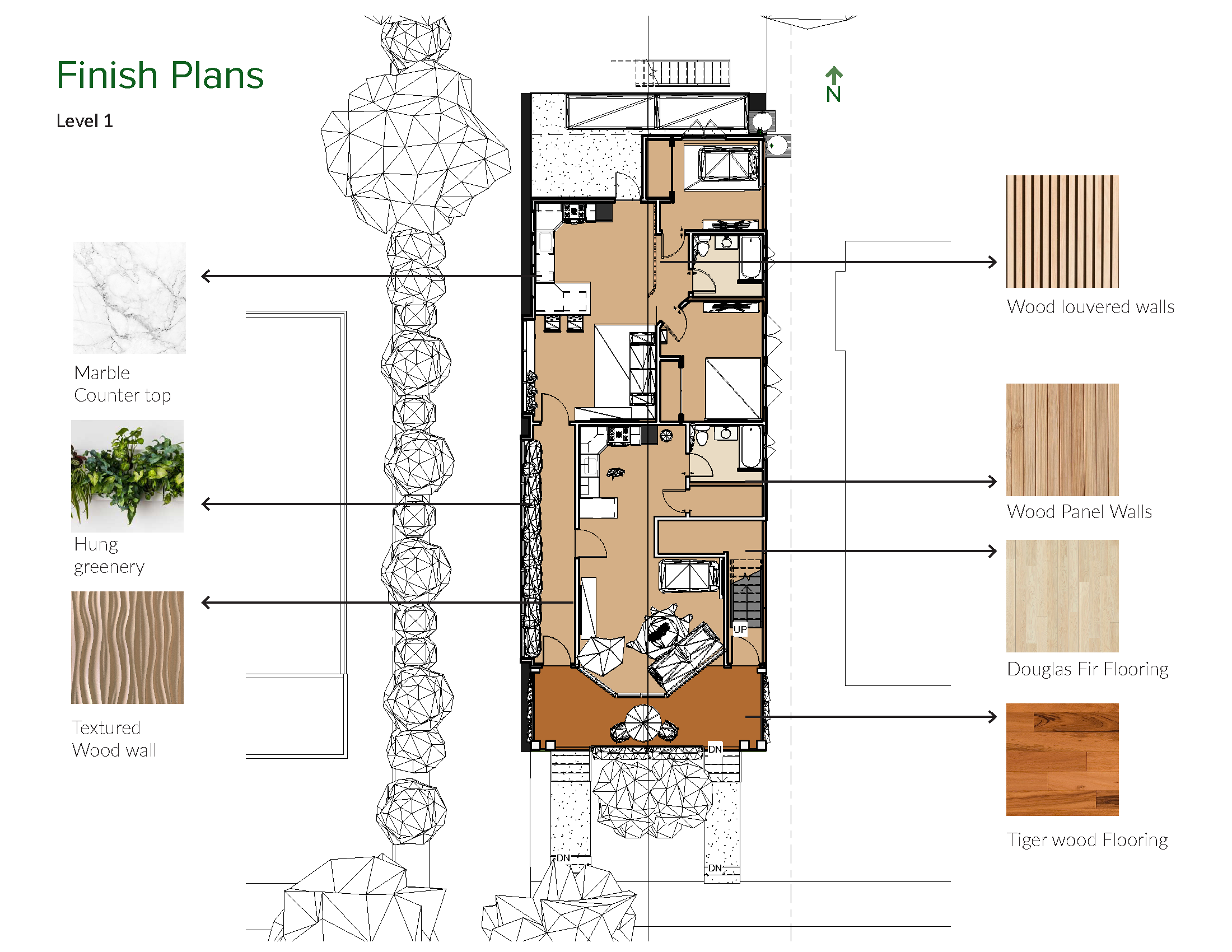
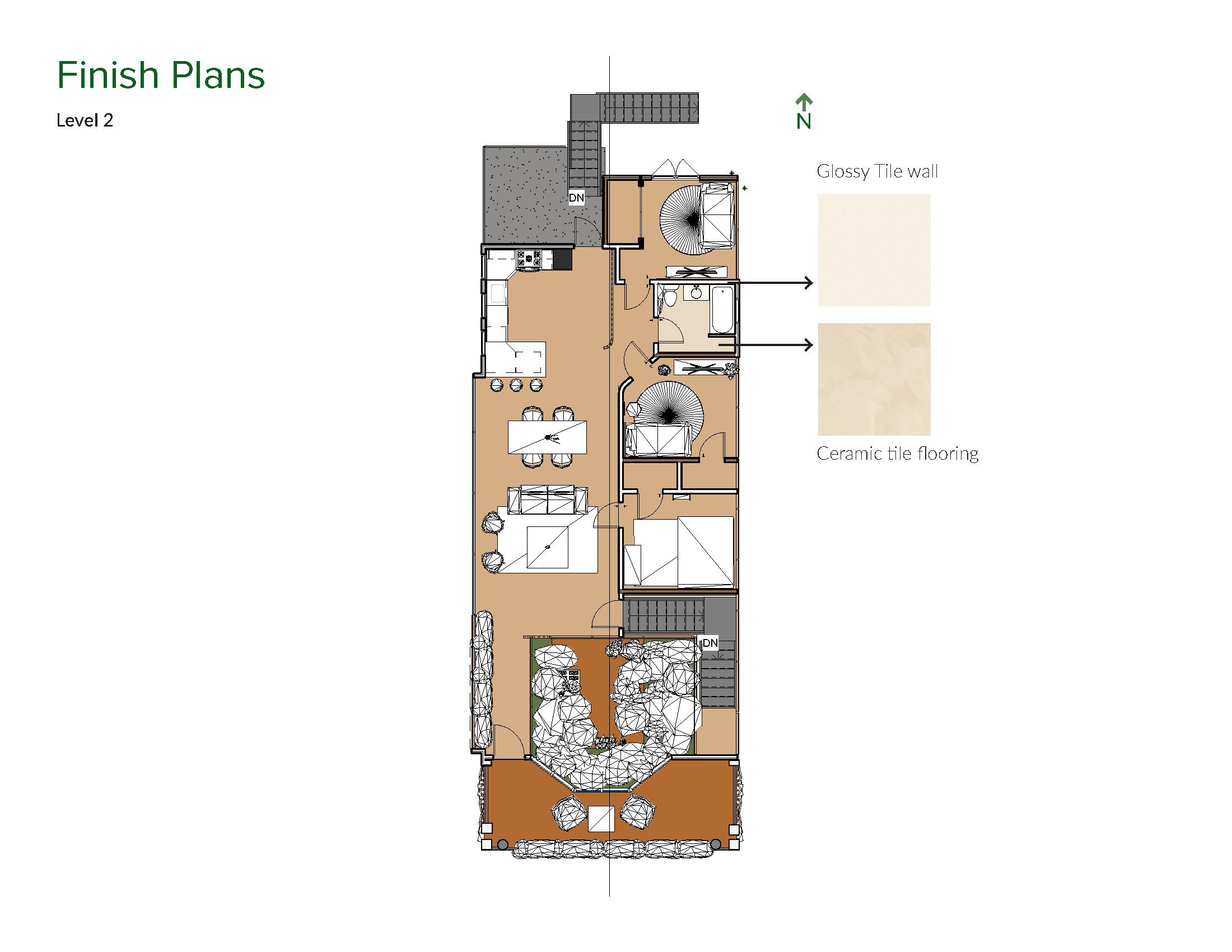
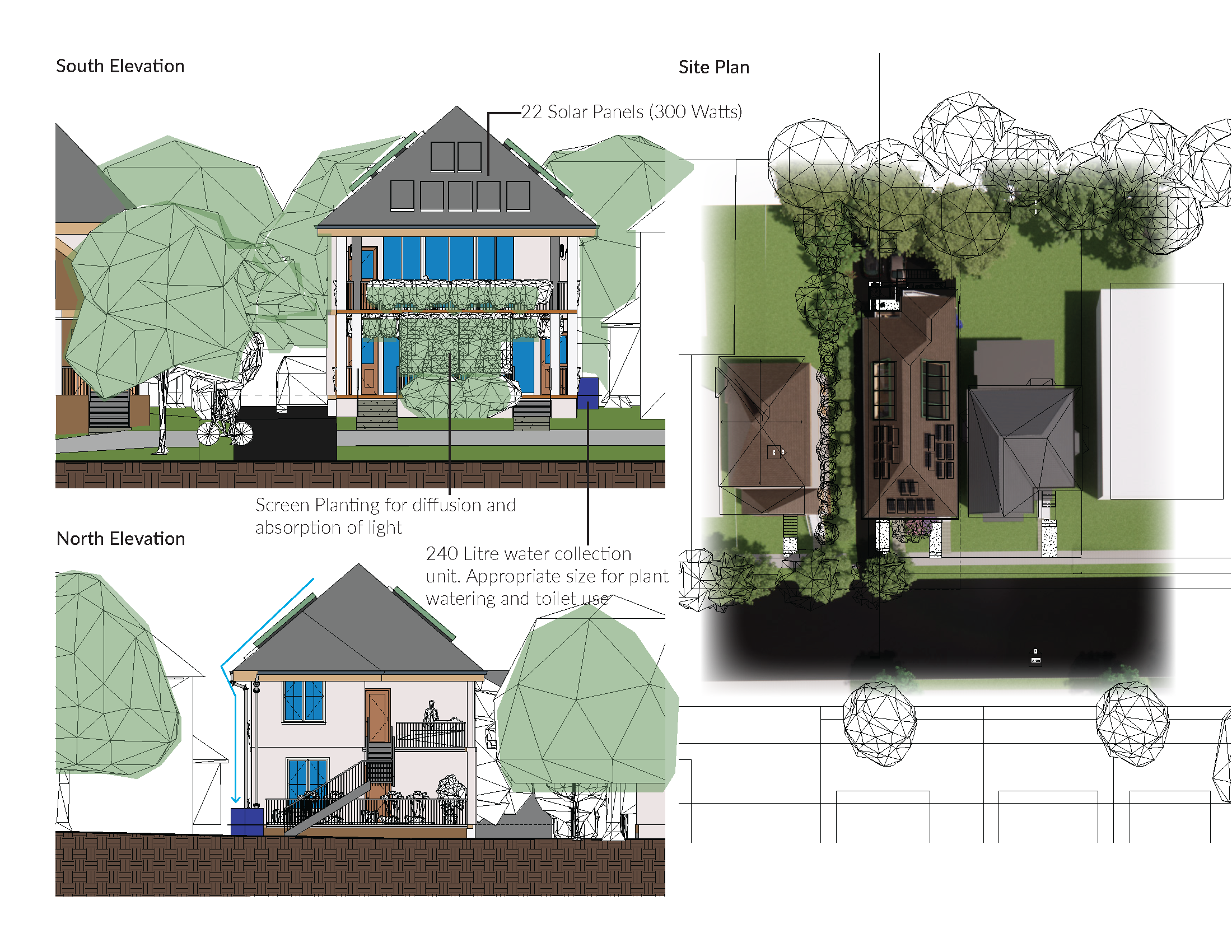
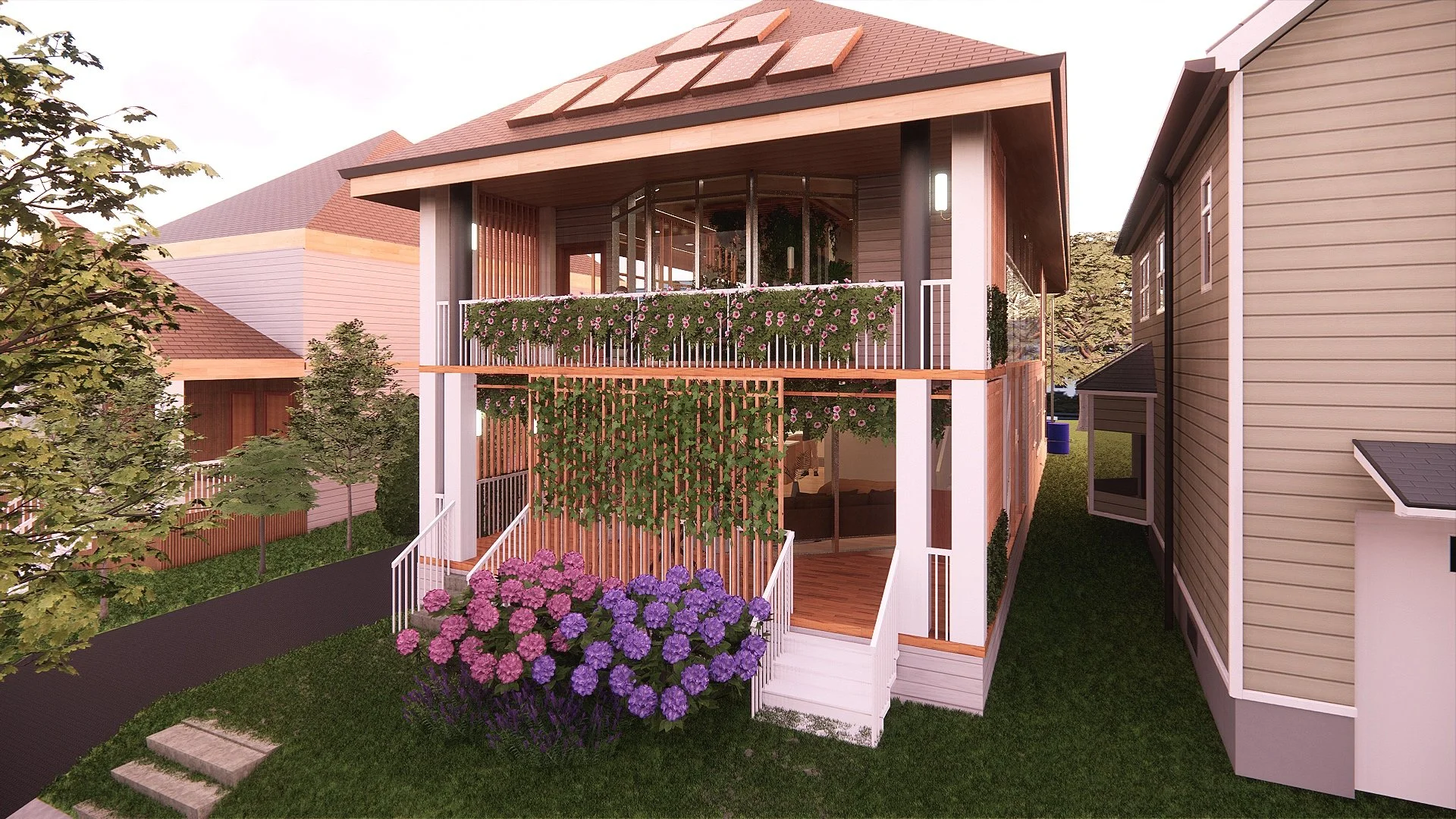
Those who suffer from mental health conditions are one and a half times more likely to live in rented housing. Poor housing can affect our mental health through heightened stress, anxiety, and depression. There is a false logic that if affordable housing is cheap in rent, it will look cheap. This misconception of low-income residencies can affect those who need a place to live. It can cause fear that the building is unsafe to live in or is not friendly enough for their pay range. To solve these problems, designers and developers came up with a strategy to bring characteristics of the natural world into built spaces, such as water, greenery, natural light, and elements like wood. The various scales of architecture and interior design today highlight the importance of incorporating biophilic design into everyday living and working spaces. Furthermore, they emphasize that wellness and mental health are at an all-time low, and starting from within the spaces of importance to us, the issue can minimize intensively. Incorporating biophilic design in low-income housing would enhance the residents’ mental, physical, and emotional needs. The purpose of this study is to explore how biophilic principles can improve one's well-being in low-income residences. Located in Syracuse, NY, the three-unit apartment complex will offer spacious living and dining spaces, green rooms, solar-powered living, natural ventilation, and biophilic components that adhere to the necessary needs of human living.
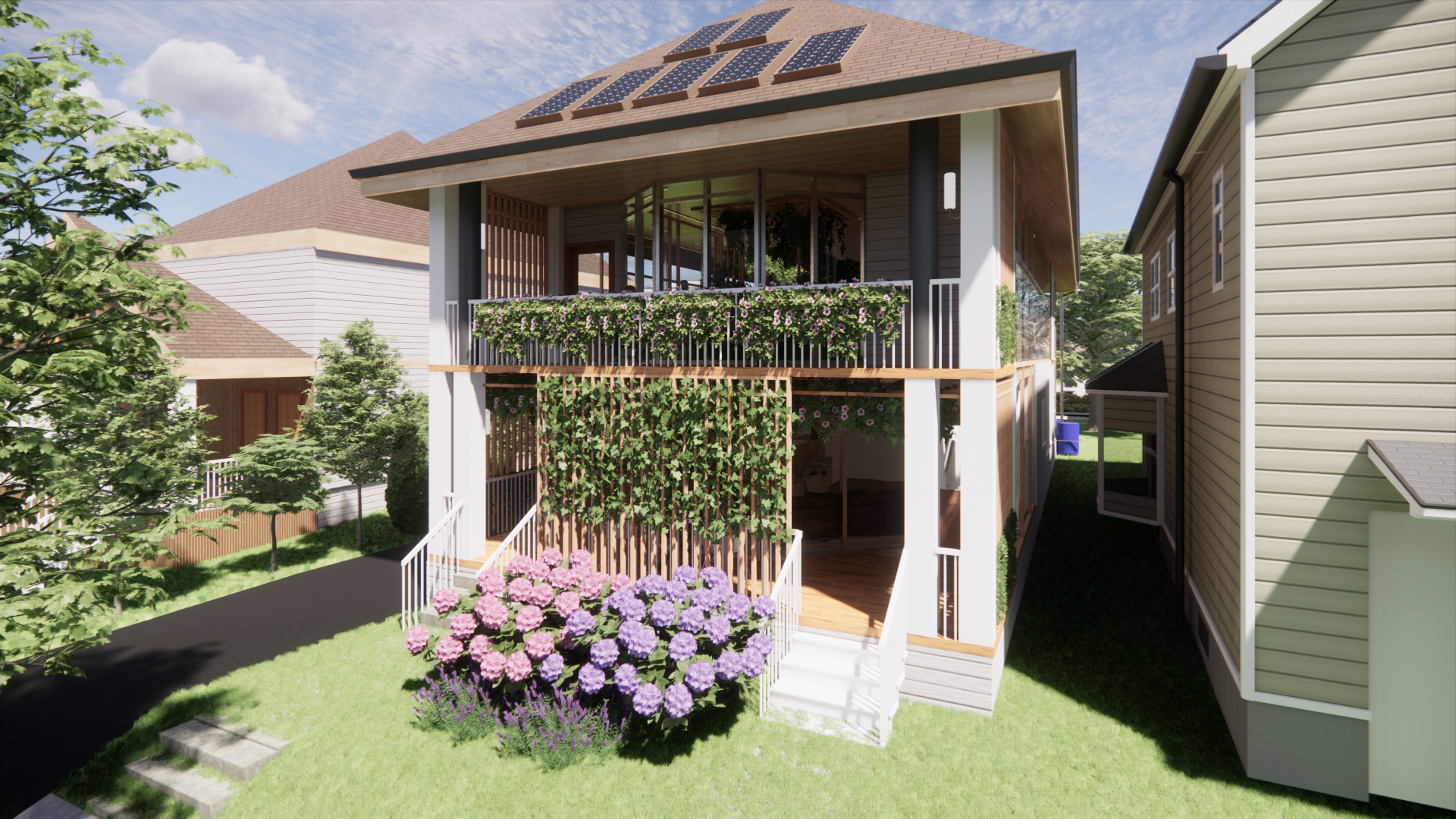
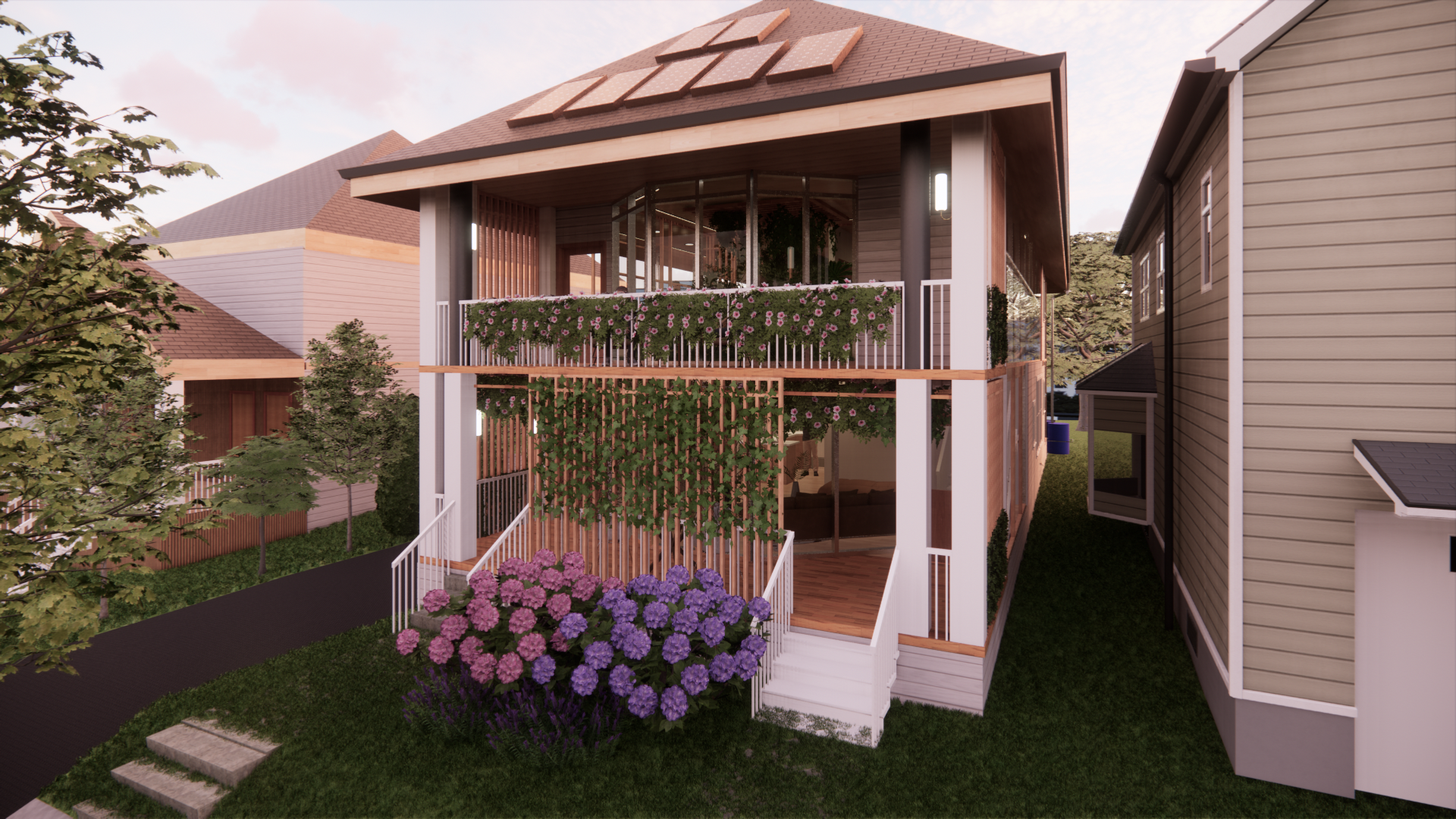
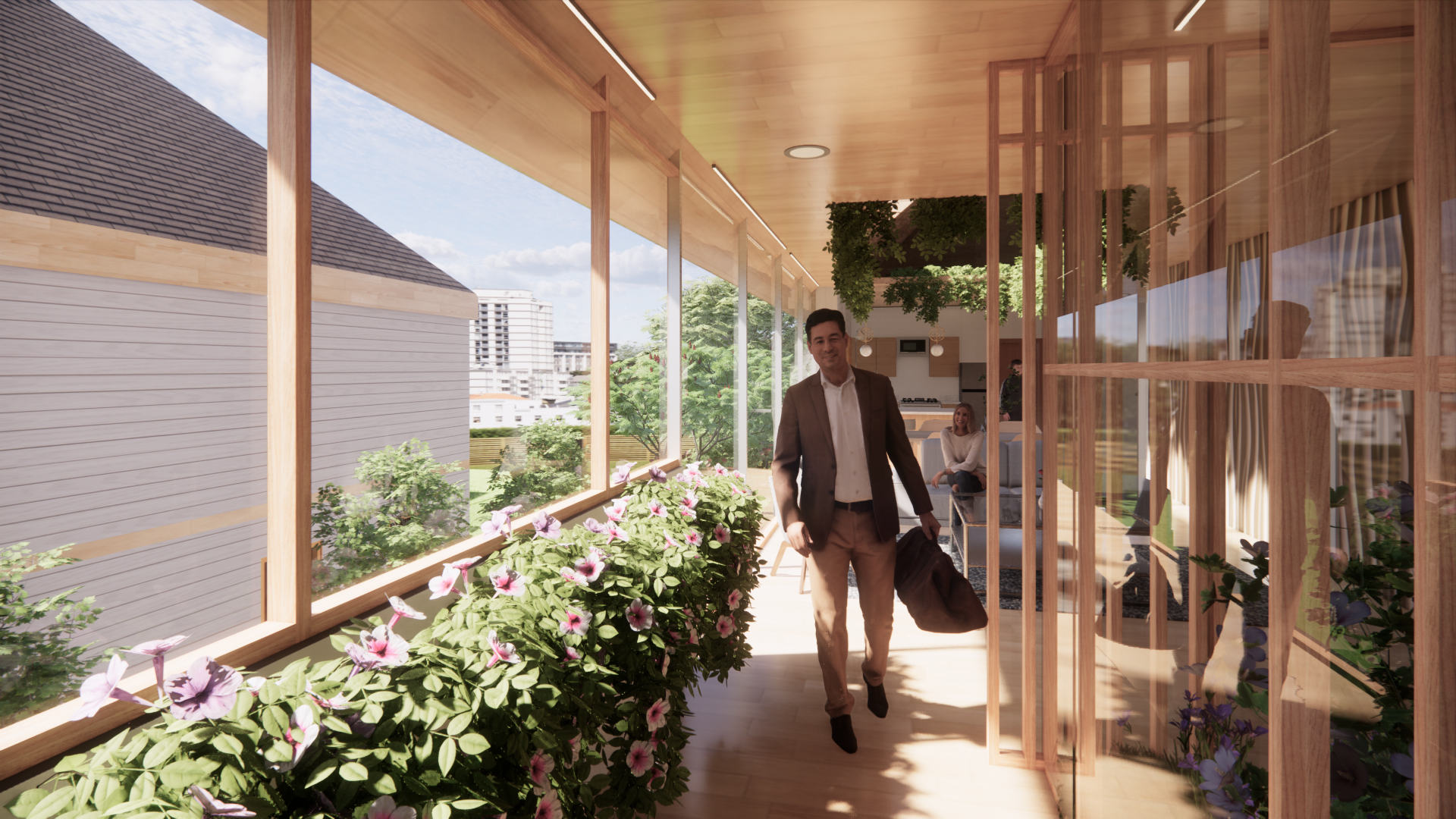
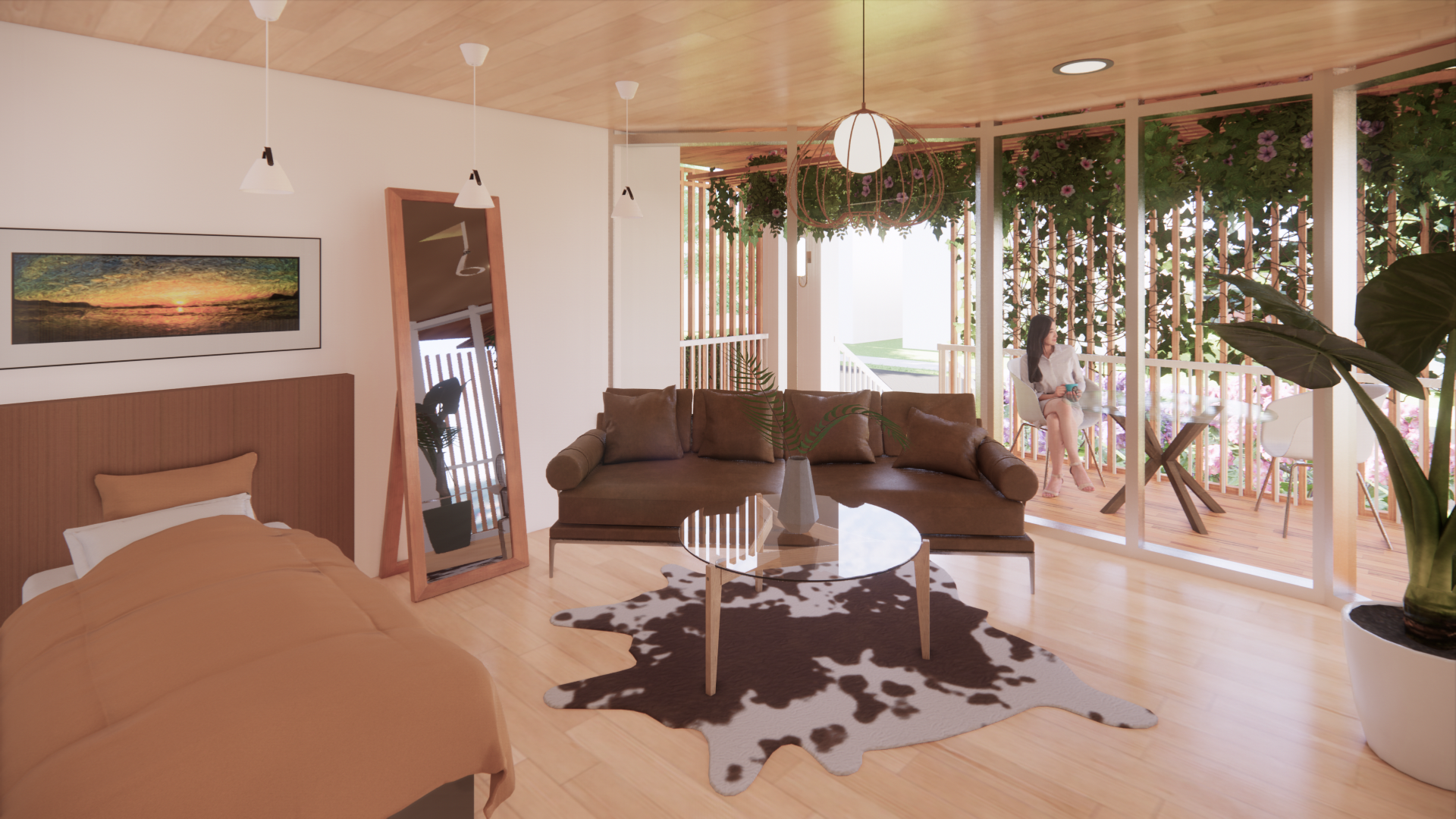
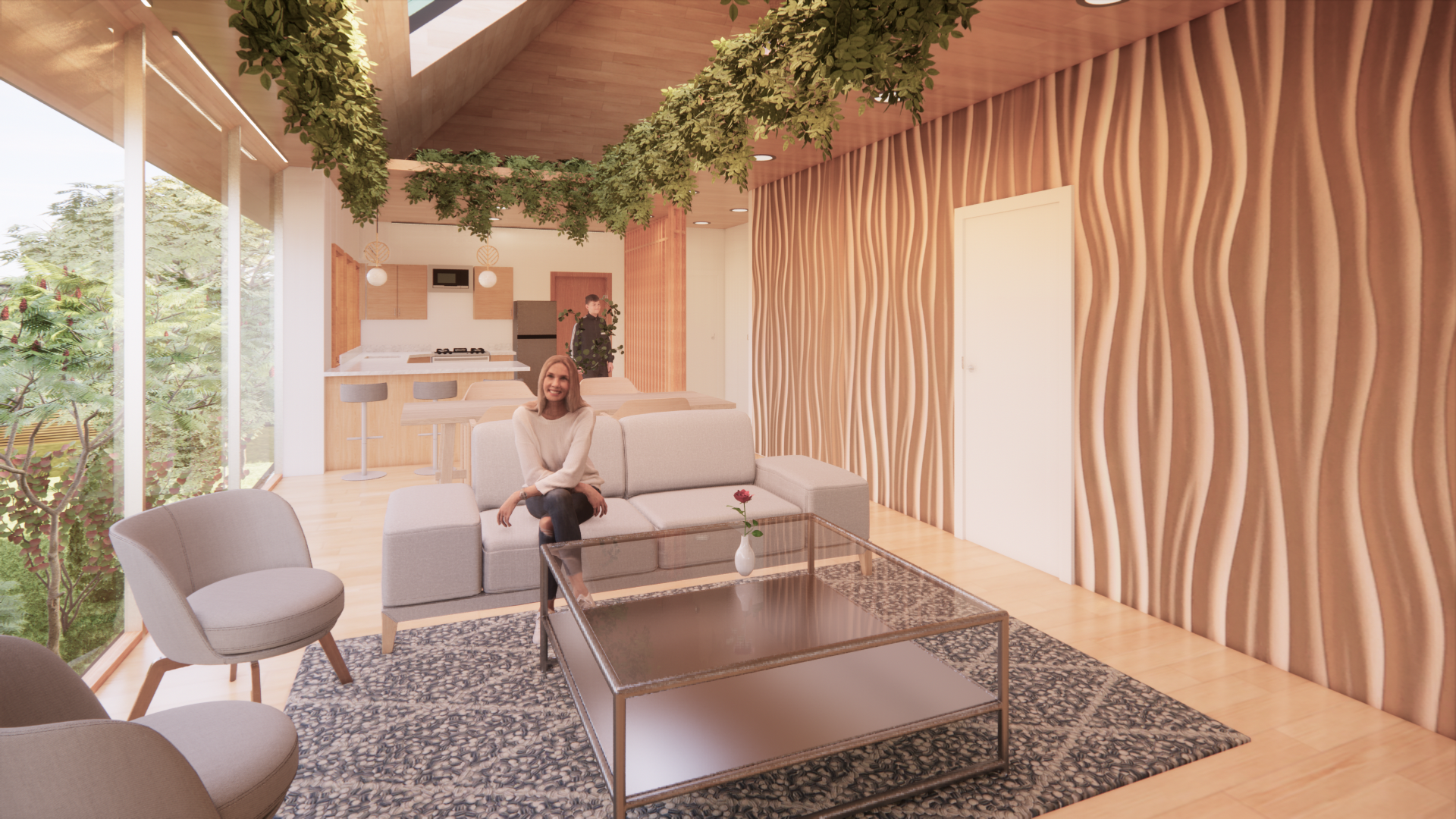
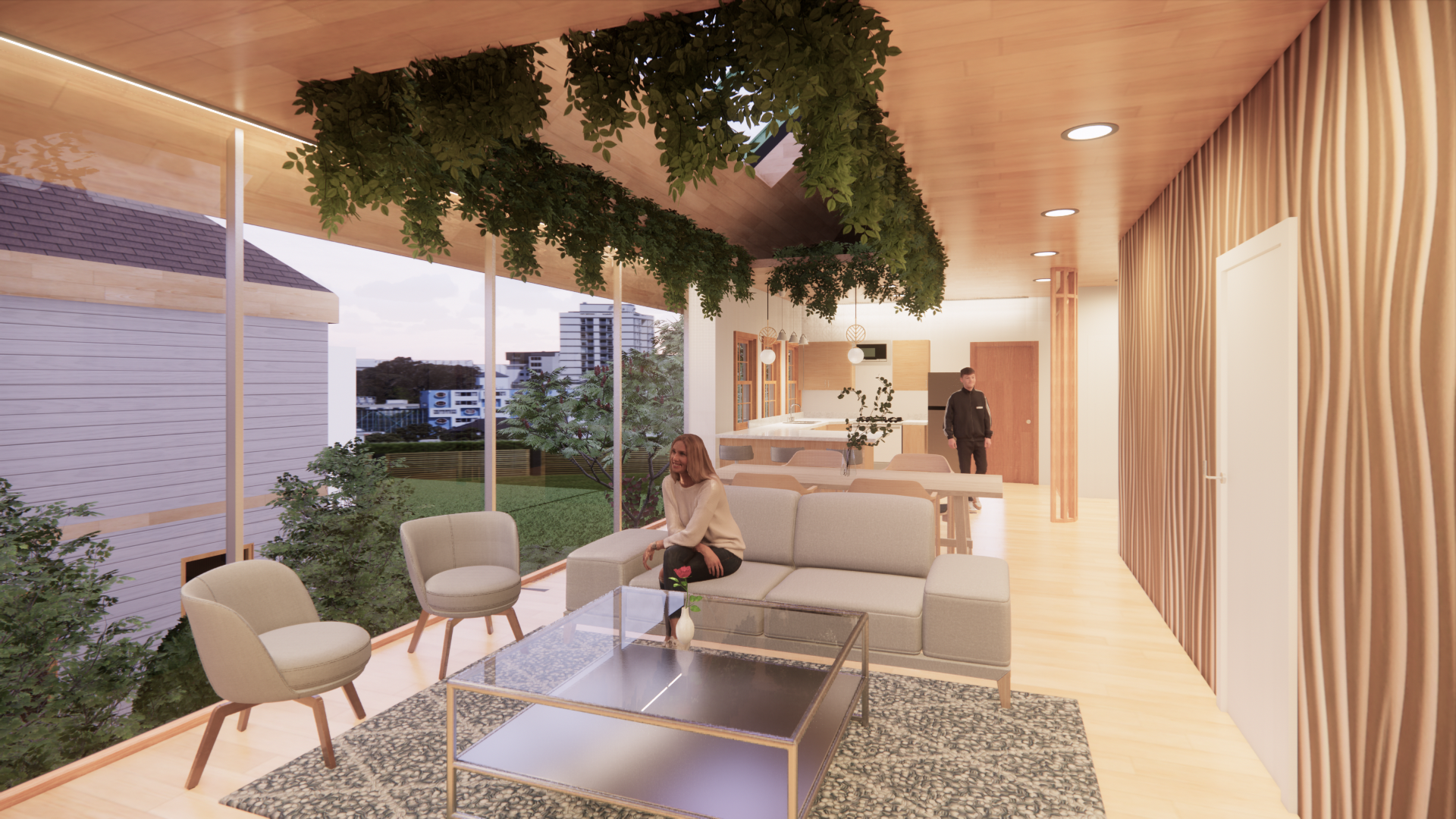
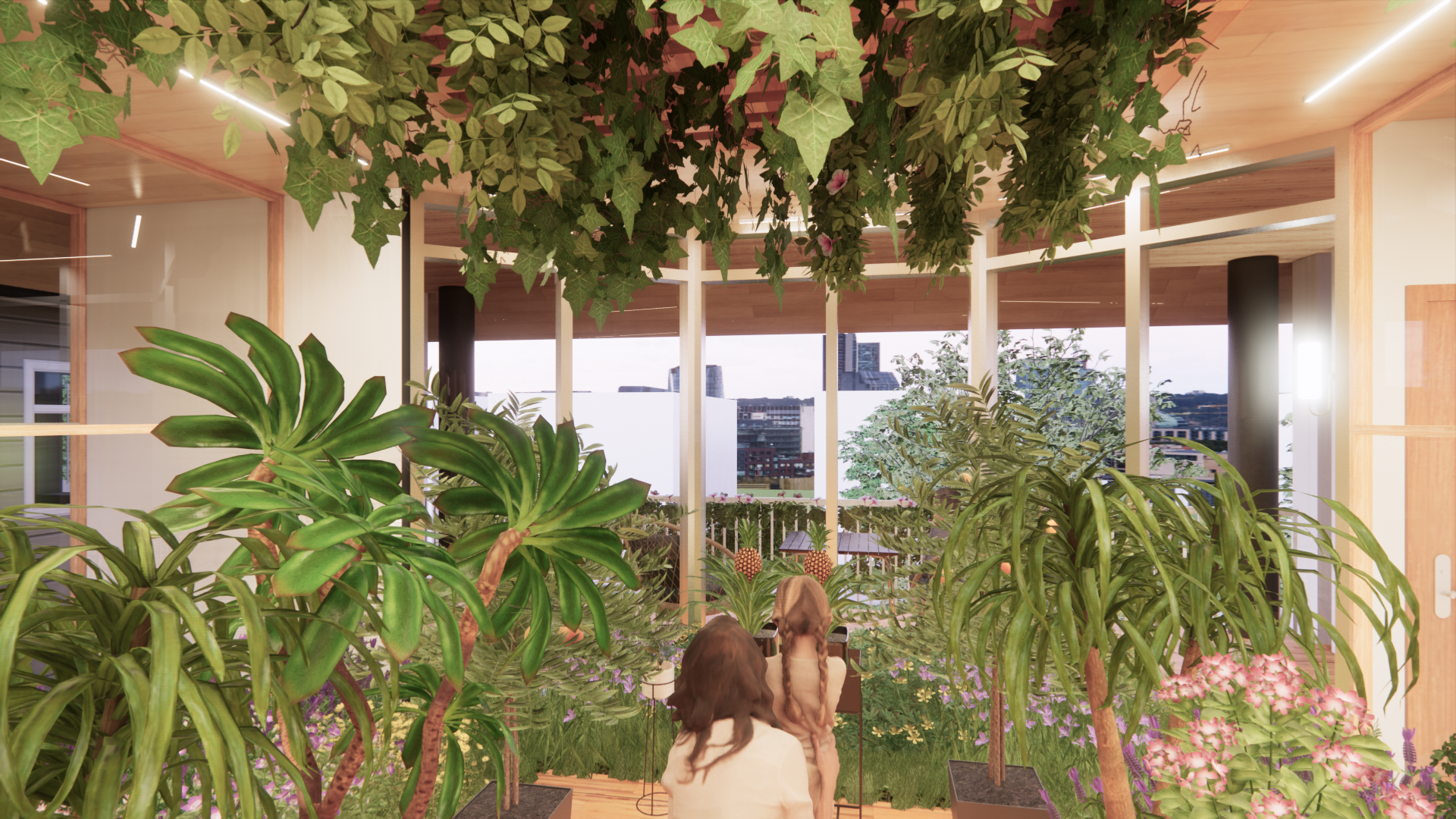
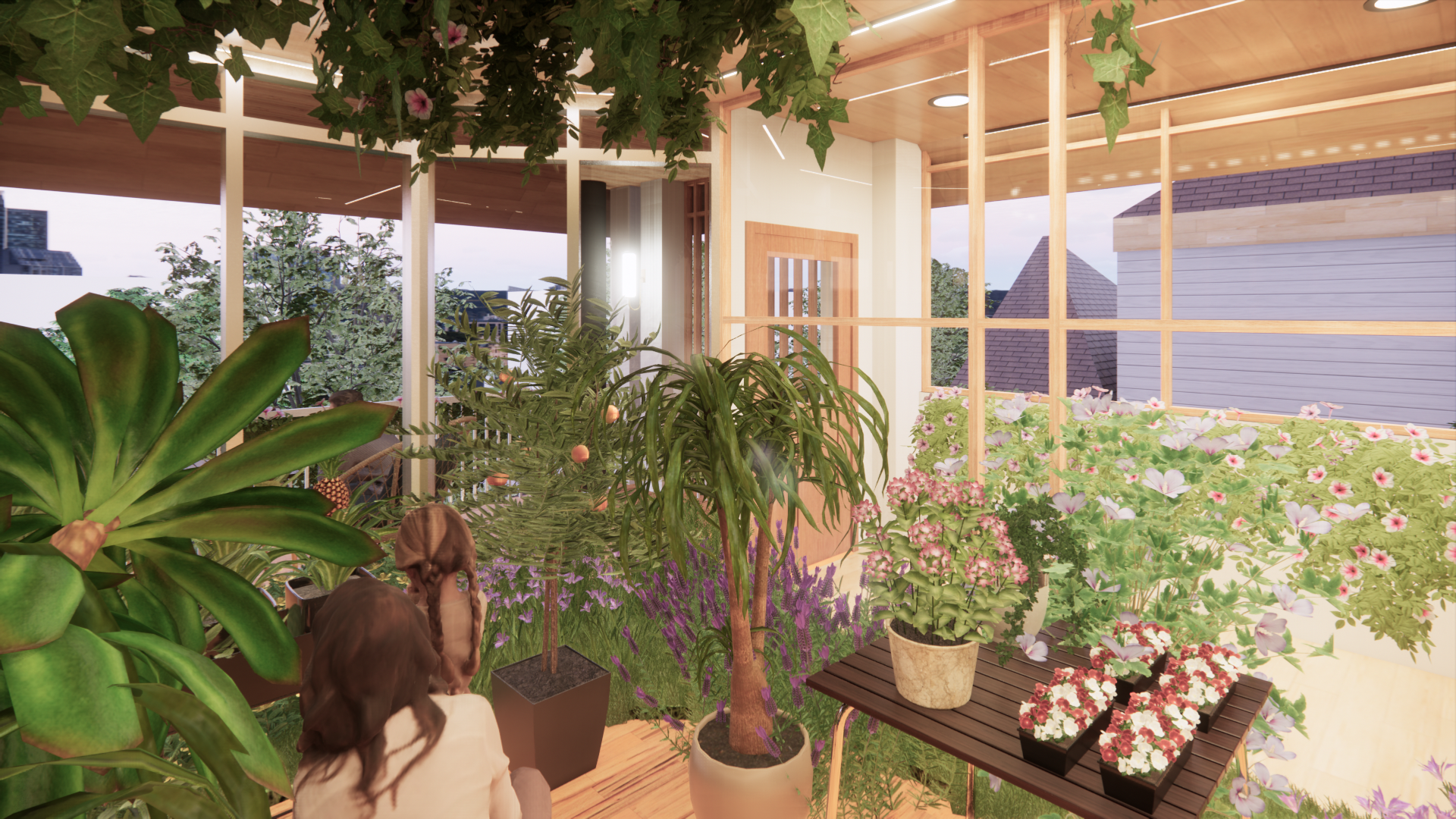
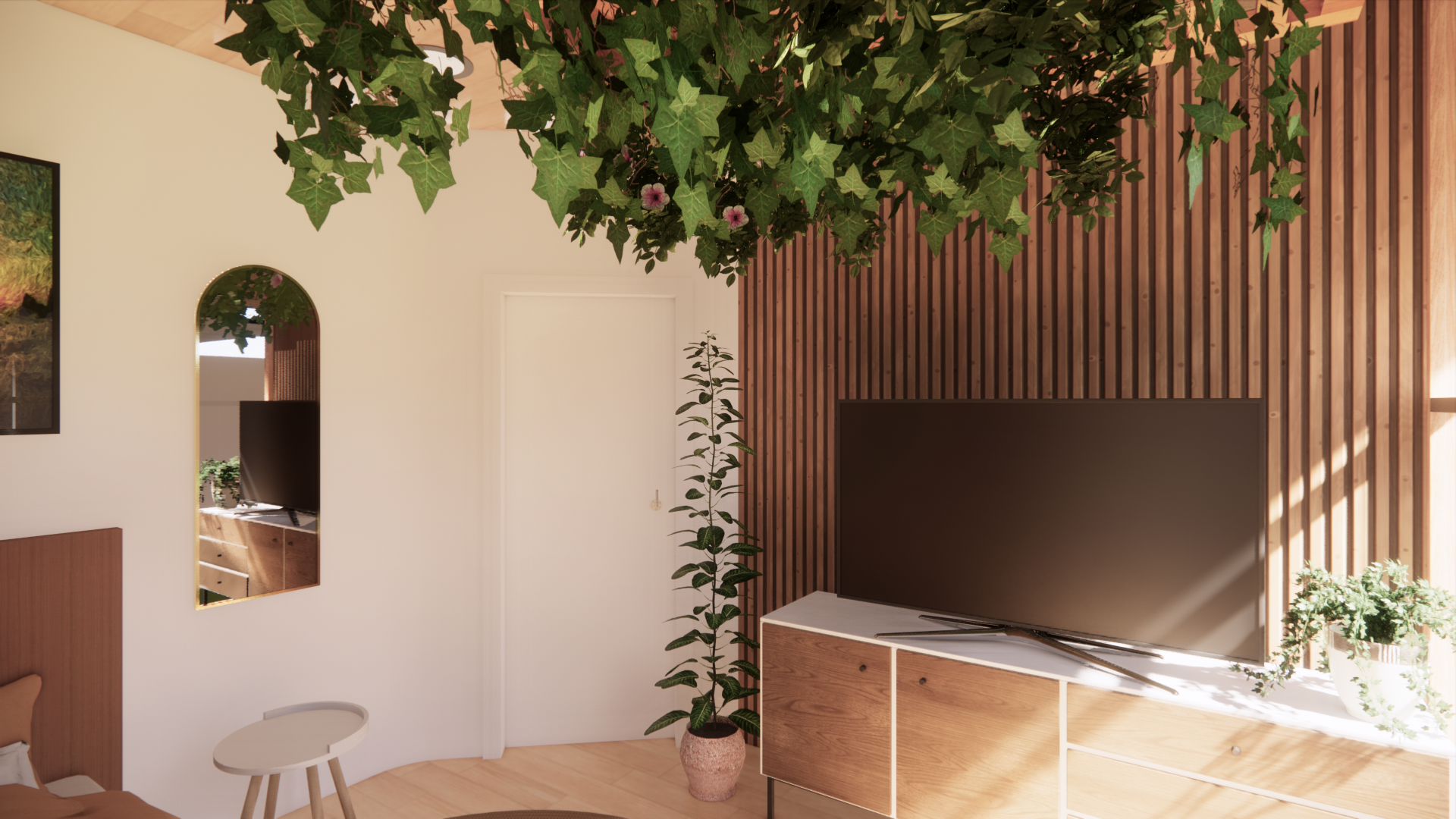
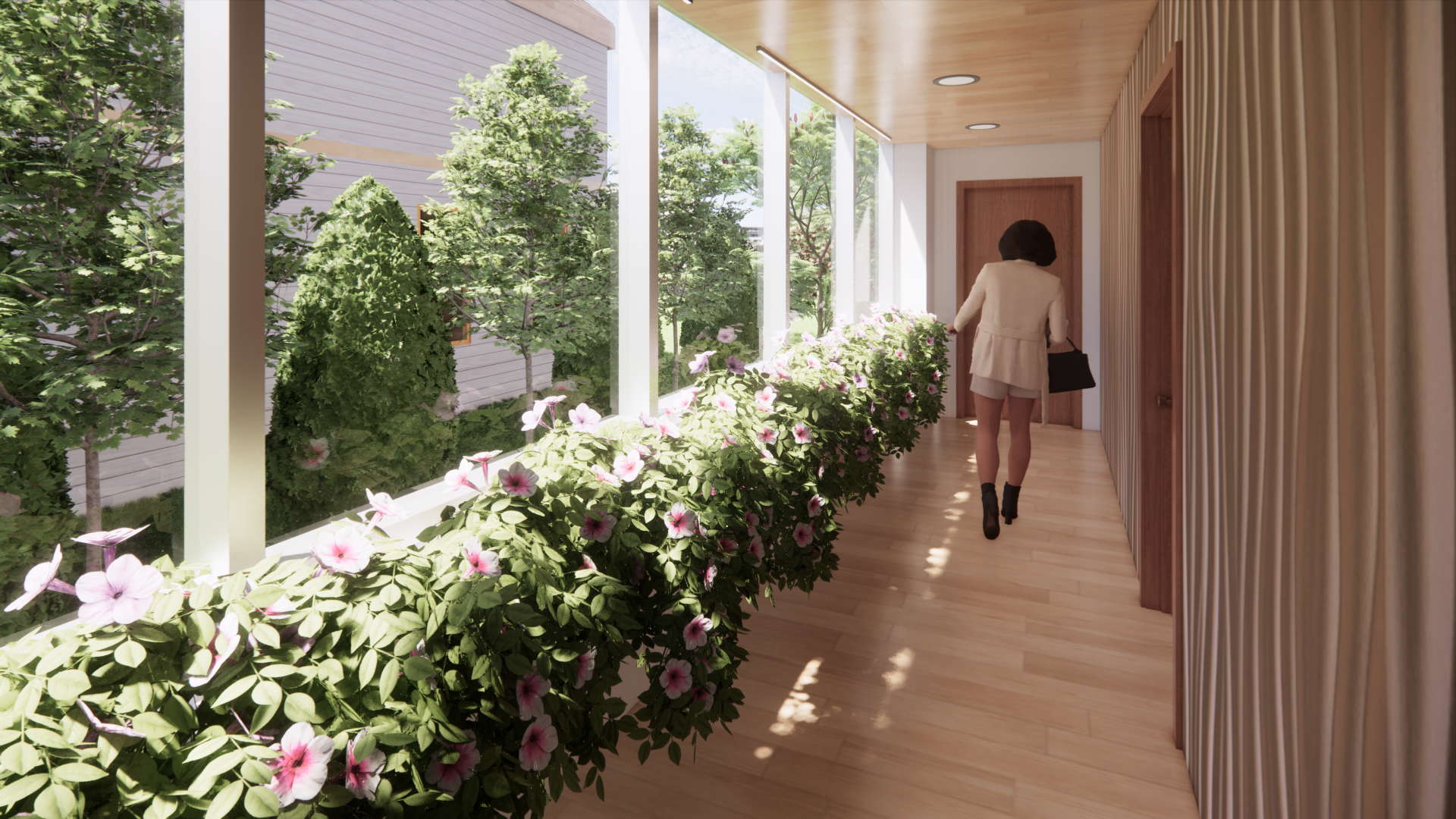
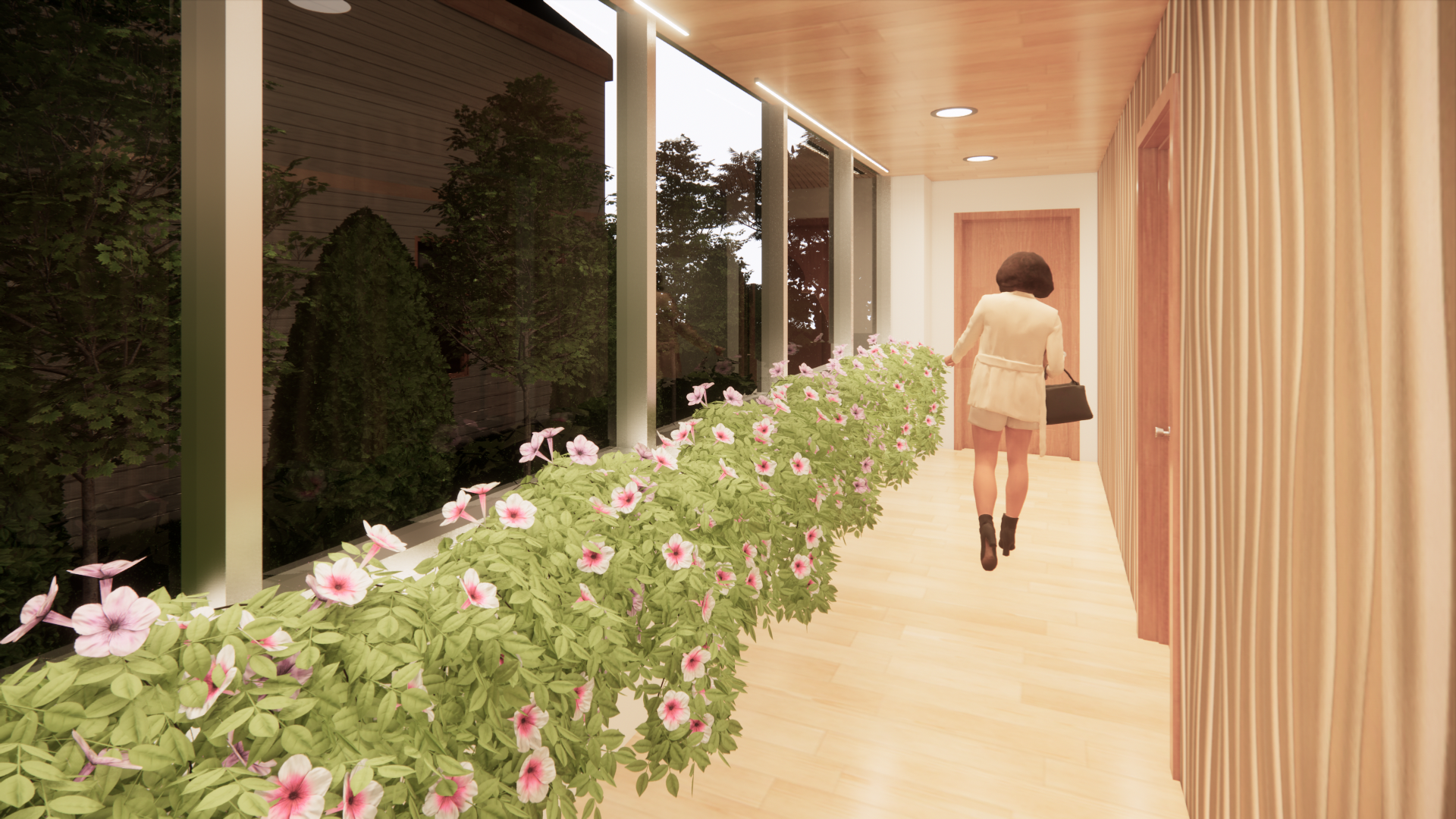
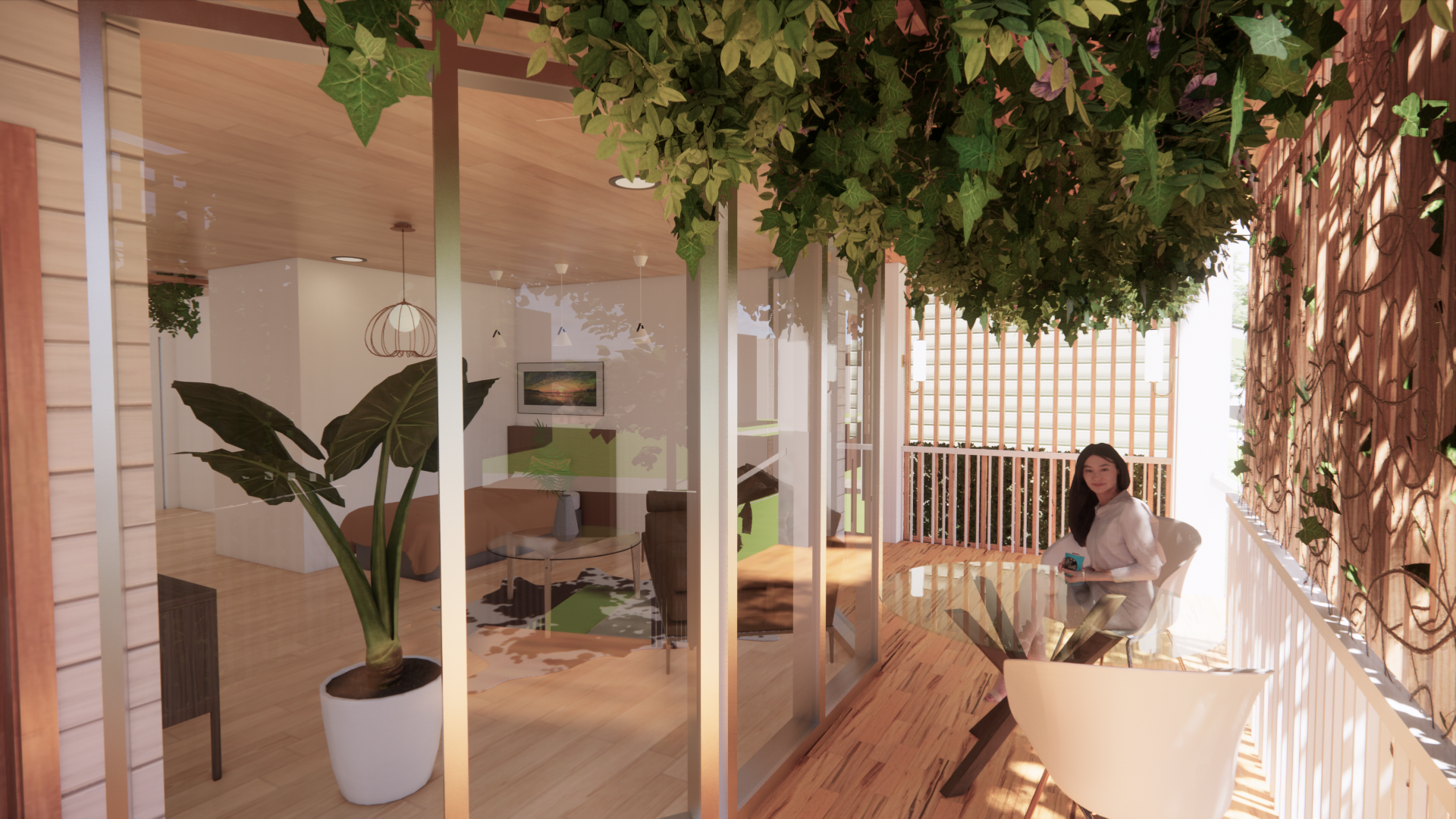
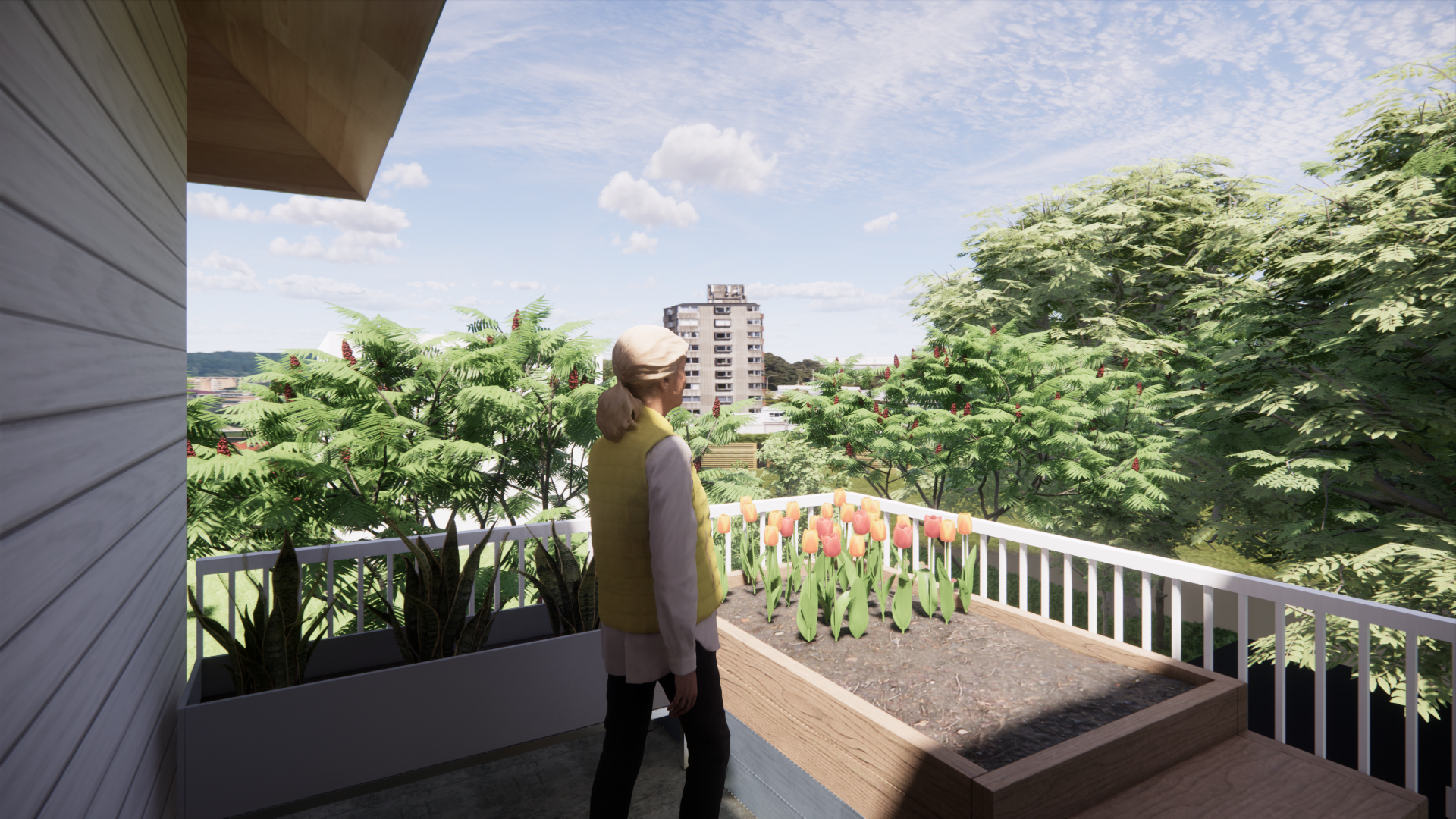
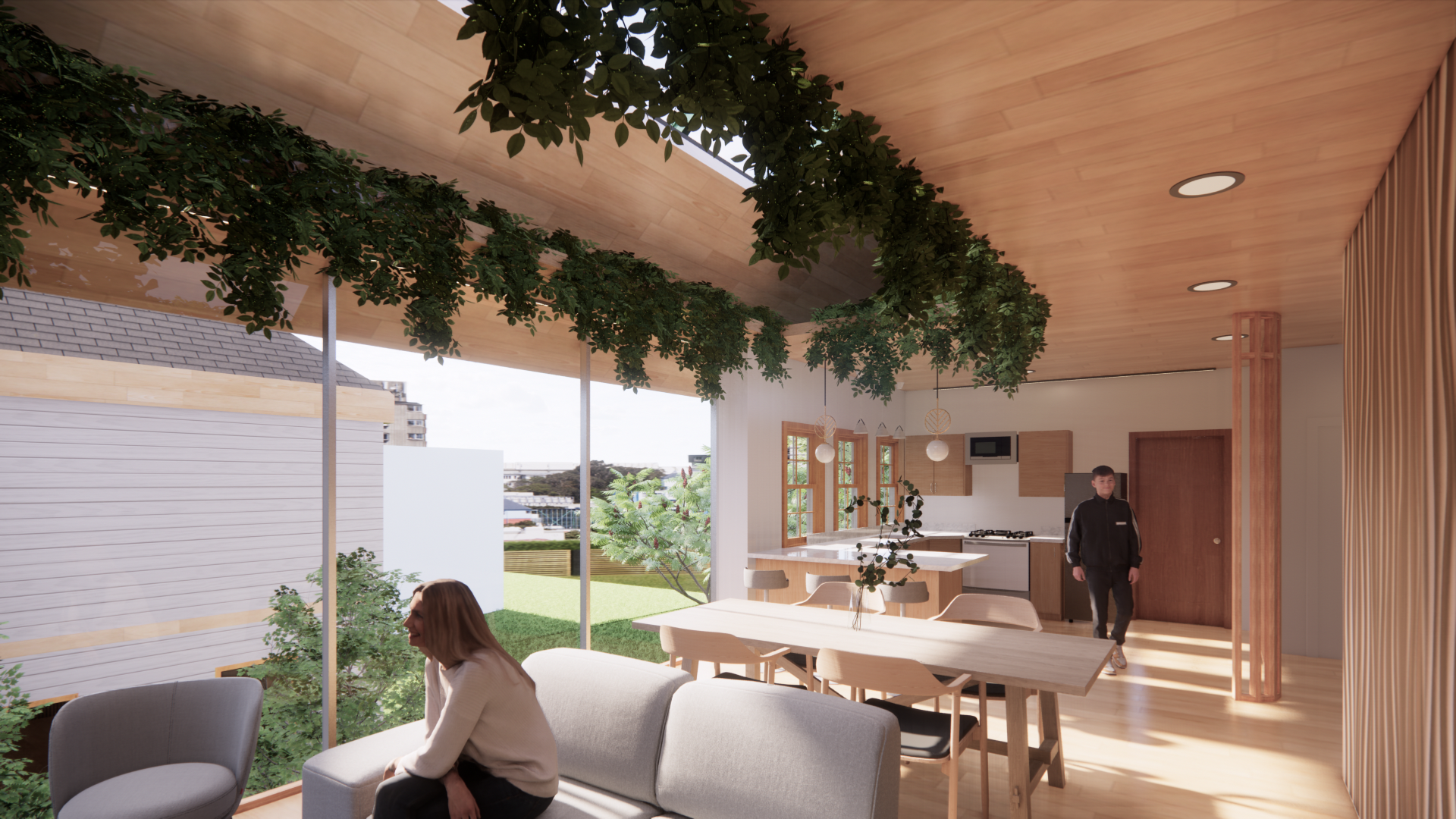
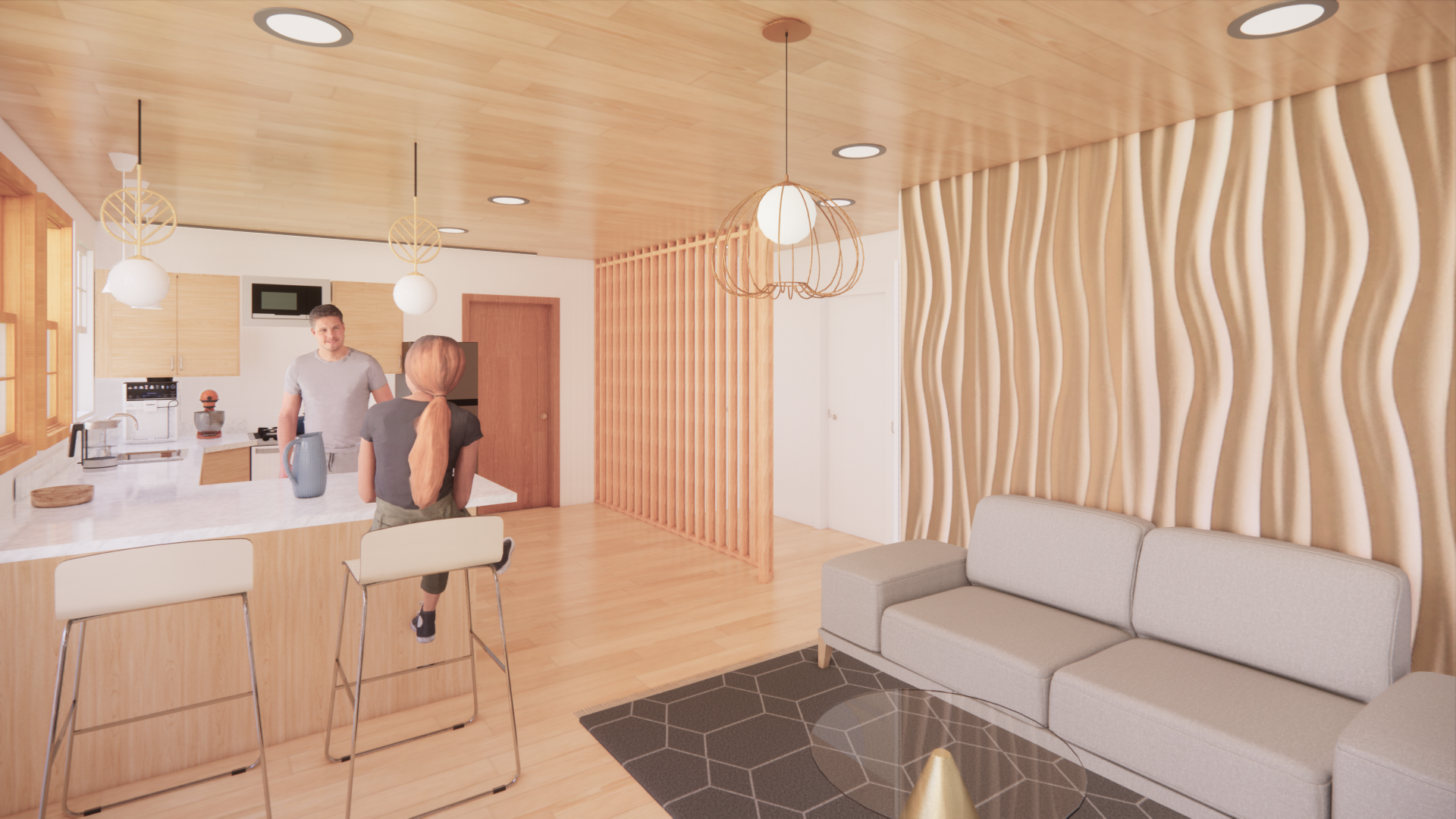
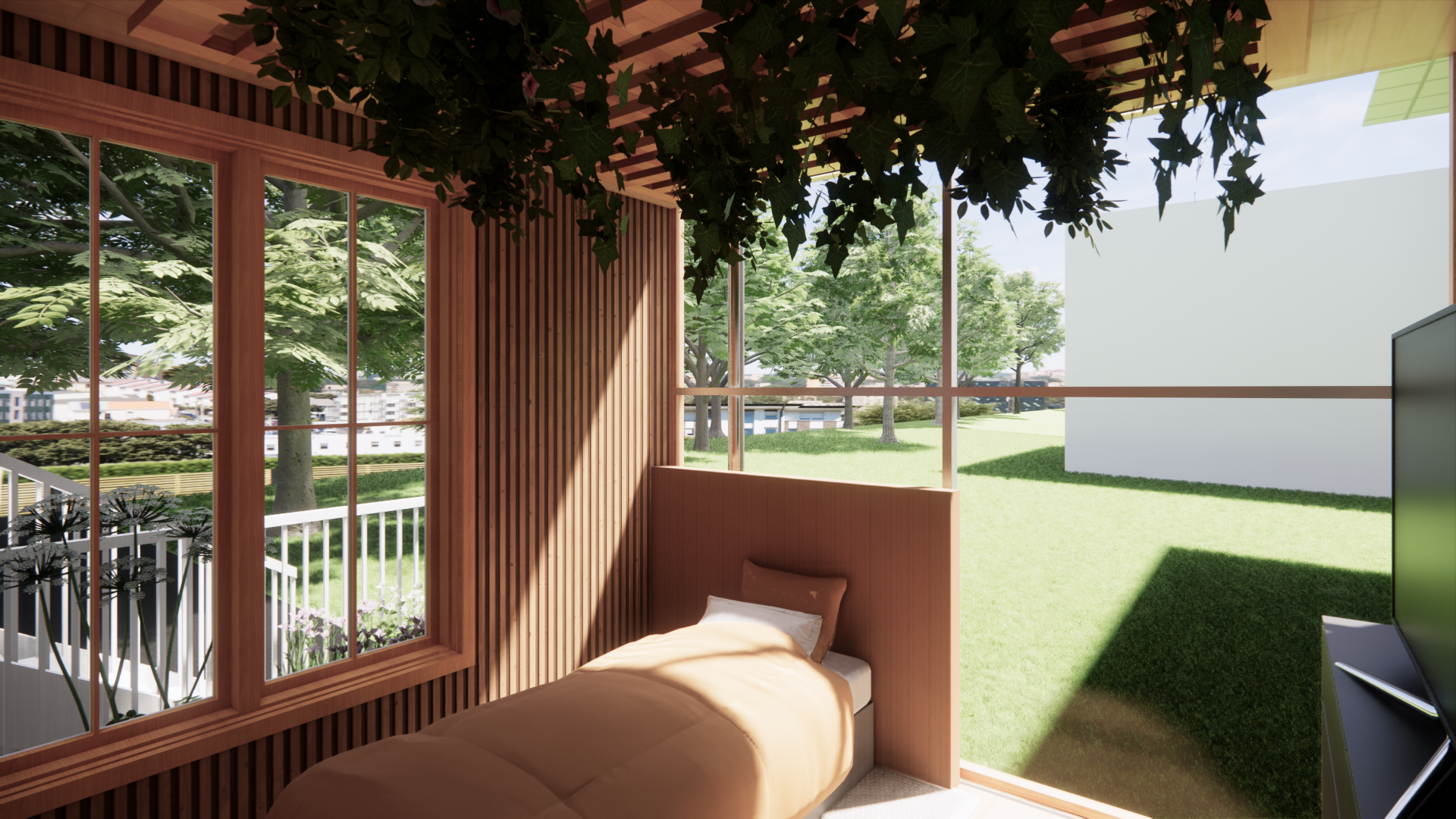
What is biophilic design?
Biophilic design focuses on those aspects of the natural world that have contributed to human health and productivity in the age-old struggle to be fit and survive.
Biophilic design seeks to connect our inherent need to affiliate with nature in the modern built environment. An extension of the theory of biophilia, biophilic design recognizes that our species has evolved for more than 99% of its history in adaptive response to the natural world and not to human created or artificial forces. We became biologically encoded to associate with natural features and processes. Rather than being vestigial – or relevant to a world that no longer exists – this need is thought to remain instrumental to people’s physical and mental health, fitness, and wellbeing.
How can it help Those in low income residencies?
There is a common misconception that this design method is too expensive and should only be used as a form of luxury design. By adding small changes to an existing design such as natural light and the ability to view nature, then it can give the viewer the needed understanding of what it means to love life. Those who live in section 8, public housing, and low income residencies sometimes feel as if they have no control over their own home. By offering biophilic components they have a new idea of what it means to have their life back!